Indoor Plant Dealer in Rajouri Garden: How to Select Plants for Every Room
Indoor plants can add greenery, character, and a refreshing feel to almost any part of a home or office. However, choosing a plant simply because it looks attractive may not always produce good results. Every room has different light, temperature, humidity, and space conditions. Working with an indoor plant dealer in Rajouri Garden can make it easier to select plants that suit your specific indoor environment. Whether you want a statement plant for the living room, a compact option for your bedroom, or greenery for a work desk, the right choice depends on more than appearance. Understanding your space first can help you create an indoor garden that is attractive and easier to maintain.
For fast information, direct chat with us on WhatsApp
Green Tech Solution can help you select plants according to each room’s light, space, humidity, and maintenance requirements. Living rooms may suit larger foliage plants, while bedrooms, kitchens, bathrooms, and workspaces often benefit from plants suited to their specific conditions. Always consider available natural light before choosing.
Start by Understanding Your Indoor Space
Before purchasing any plant, look at the conditions where it will be placed. A bright room with several hours of indirect sunlight can support different plants than a darker hallway or enclosed corner.
Consider these factors:
- Natural light: Is the area bright, moderately lit, or low-light?
- Available space: Will the plant sit on a table, shelf, floor, balcony, or window ledge?
- Humidity: Kitchens and bathrooms may have higher humidity than bedrooms or living rooms.
- Temperature: Avoid placing sensitive plants directly beside air conditioners or heaters.
- Maintenance: Consider how frequently you can water, clean, prune, and monitor the plant.
These details help narrow down suitable varieties and prevent common problems such as yellowing leaves, slow growth, or root-related issues.
Choosing Plants for Different Rooms
Each room can have its own greenery style. Instead of using the same plant throughout the property, select varieties according to the room’s conditions.
Living Room: Create a Green Focal Point
The living room generally provides more floor and surface space, making it suitable for larger foliage plants. Depending on the available light, options such as areca palm, rubber plant, dracaena, or selected philodendrons can add visual interest.
A large floor plant can fill an empty corner, while smaller plants can work well on side tables, shelves, or consoles. Keep sufficient distance between plants and air-conditioning vents to reduce exposure to direct cold airflow.
Bedroom: Keep It Simple and Easy to Maintain
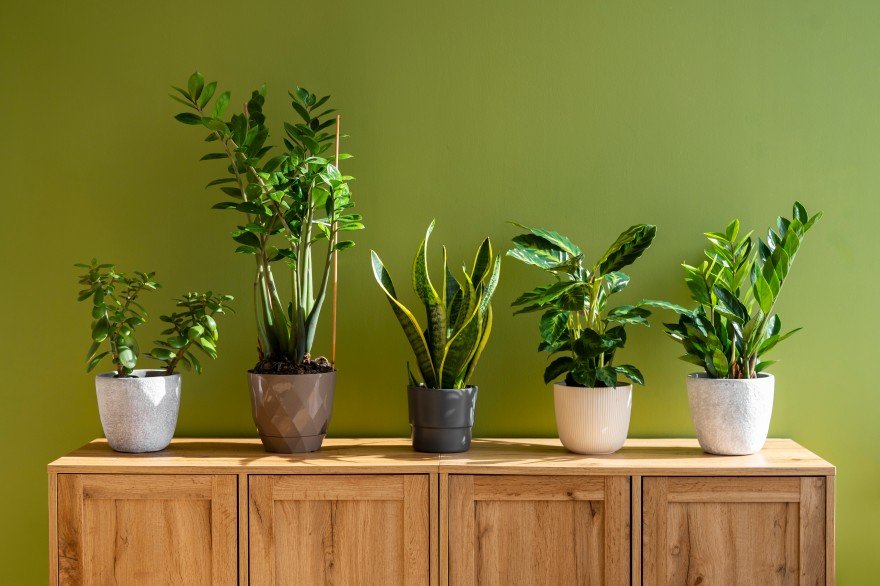
Bedrooms often benefit from plants that fit neatly into the available space without creating clutter. Snake plants, ZZ plants, and certain compact foliage varieties can work well in suitable lighting conditions.
Placement matters, too. Avoid overcrowding the room, and ensure the plant receives the amount of light it requires. If your bedroom has very little natural light, ask a knowledgeable plant professional about varieties that can tolerate lower-light conditions.
Kitchen: Choose Compact Greenery
Kitchen counters and windowsills can provide useful locations for smaller plants. Herbs may be appropriate where there is sufficient sunlight and regular use is practical.
For decorative greenery, compact plants can add natural texture without interfering with food preparation or appliances. Keep plants away from direct heat, splashing water, and areas where cooking fumes accumulate heavily.
Bathroom: Consider Humidity and Light
Bathrooms can have higher humidity, but that does not automatically make them suitable for every tropical plant. Natural light remains important.
If your bathroom has a window, humidity-tolerant plants may be an option. For bathrooms without adequate natural light, consider moving plants periodically to a brighter location or choosing another area of the home instead.
Home Office: Add Greenery Without Losing Desk Space
A home office usually benefits from compact plants that fit on shelves, cabinets, or desks. Small snake plants, pothos, ZZ plants, and other appropriately sized foliage plants can complement a workspace when their light requirements are met.
Keep plants positioned so they do not obstruct your screen, documents, or workspace. A few well-placed plants can provide visual variety without making the desk feel crowded.
How an Indoor Plant Dealer in Rajouri Garden Can Help
Choosing plants independently can be confusing when you are unfamiliar with their care requirements. A local indoor plant dealer in Rajouri Garden can help you compare plant varieties based on their appearance, size, lighting needs, and maintenance requirements.
A good plant supplier should be able to explain:
- Which plants suit bright or indirect light
- How much space mature plants may require
- Basic watering and maintenance needs
- Suitable pots and growing media
- Common signs of plant stress
- How to position plants inside your home or office
It is also useful to inspect plants before purchasing. Look for healthy foliage, firm stems, clean leaves, and signs of active growth. Avoid plants showing extensive pest damage, widespread yellowing, or obvious fungal problems.
Match Plant Size With the Room
Plant size is an important but sometimes overlooked consideration. A plant that looks appropriately sized at the nursery can become difficult to manage if it grows substantially over time.
For small rooms, consider tabletop or compact floor plants. Larger rooms may accommodate taller plants that act as visual anchors.
Also think about the pot. A decorative planter should complement the plant and surrounding décor while providing adequate drainage and enough room for healthy root development.
Common Mistakes to Avoid When Buying Indoor Plants
A few simple mistakes can make indoor plant care unnecessarily difficult.
Choosing based only on appearance: A beautiful plant may not thrive in your room if its light requirements are unsuitable.
Overwatering: More water does not necessarily mean healthier growth. Watering frequency should depend on the plant, potting medium, environmental conditions, and moisture level.
Ignoring drainage: Containers without appropriate drainage can allow excess water to accumulate around the roots.
Placing plants in unsuitable locations: Direct heat, strong drafts, or insufficient light can stress plants.
Buying too many plants at once: Start with a manageable number and learn the requirements of each variety before expanding your collection.
Create a Balanced Indoor Plant Arrangement
A successful indoor garden does not need to contain dozens of plants. A balanced arrangement can combine different heights, leaf shapes, textures, and pot styles.
For example, you might use a taller foliage plant in a living-room corner, a medium-sized plant near a bright window, and smaller varieties on shelves or tables. This creates visual variety while allowing each plant to occupy a suitable location.
If you are planning greenery for an office, reception area, restaurant, or commercial space, consider traffic flow and maintenance access as well. Plants should enhance the environment without becoming obstacles.
Frequently Asked Questions
1. How do I choose the right indoor plant for my room?
Choose an indoor plant based on the room’s natural light, temperature, humidity, available space, and your maintenance routine. Start by identifying whether the location receives bright, indirect, or low light. Then select plants whose care requirements match those conditions rather than choosing solely on appearance.
2. Which indoor plants are suitable for low-light areas?
Snake plants, ZZ plants, and some pothos varieties can tolerate relatively lower-light conditions, although “low light” does not mean complete darkness. Plants still need suitable environmental conditions to remain healthy. If a room receives very little natural light, consider moving plants periodically or discussing suitable options with a plant professional.
3. What should I ask an indoor plant dealer before buying?
Ask about the plant’s light requirements, watering routine, expected mature size, potting needs, drainage, and common maintenance issues. You can also ask whether the plant is suitable for your specific room. These questions help you select greenery that fits both your space and the amount of care you can provide.
4. Can indoor plants be used in offices and commercial spaces?
Yes, many indoor plants can be used in offices and commercial interiors when their environmental requirements are met. Choose varieties according to available light, floor area, foot traffic, and maintenance access. Larger plants can work in reception areas or corners, while compact varieties may be more practical for desks and shelves.
5. Where can I find indoor plants in Rajouri Garden?
Local plant dealers and garden suppliers in Rajouri Garden can offer different indoor plant varieties, pots, and related supplies. Before purchasing, compare plant health, variety, size, care requirements, and after-sales guidance. A local supplier can also help you identify options appropriate for your home’s specific lighting and space conditions.
Conclusion
Choosing indoor greenery is easier when you consider the needs of both the plant and the room. Light, humidity, space, temperature, drainage, and maintenance requirements all influence whether a plant is likely to thrive indoors. Instead of selecting plants only for their appearance, evaluate where each one will be placed and how much care you can provide.
An experienced indoor plant dealer in Rajouri Garden can help you compare suitable varieties and choose plants for bedrooms, living rooms, kitchens, offices, and other indoor spaces. Start with a few well-matched plants, give them appropriate care, and gradually build an indoor garden that complements your surroundings.